
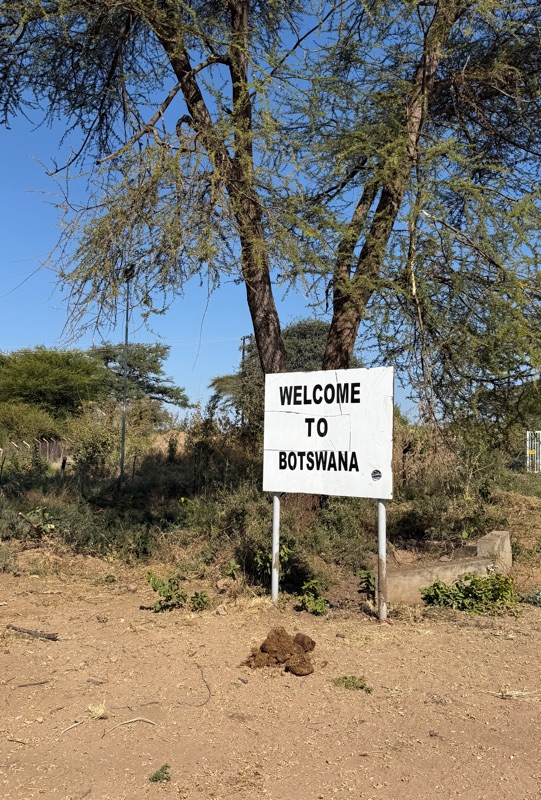
On June 28, our group left Johannesburg and began the next part of our journey. We traveled through Zimbabwe and crossed into Botswana, eventually arriving in Kasane. After several days of learning through museums, schools, monuments, and public spaces in South Africa, this day shifted us into a different kind of classroom.
Before we even reached the hotel, the landscape began to change. From the bus, we saw kudu, impalas, mongooses, baboons, and a warthog. It’s amazing to think that these are every day sightings for the people here.
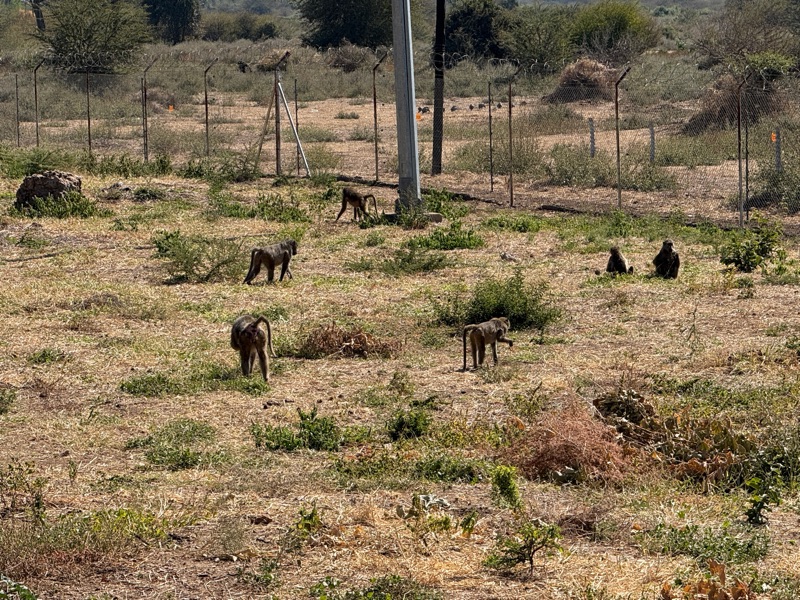
We spent the previous days thinking deeply about history, justice, education, inequality, and memory and suddenly, we were looking out the window at animals moving through the land as if reminding us that this region cannot be understood through history alone. Location matters. Environment matters. What people protect, preserve, live beside, and depend on matters too.
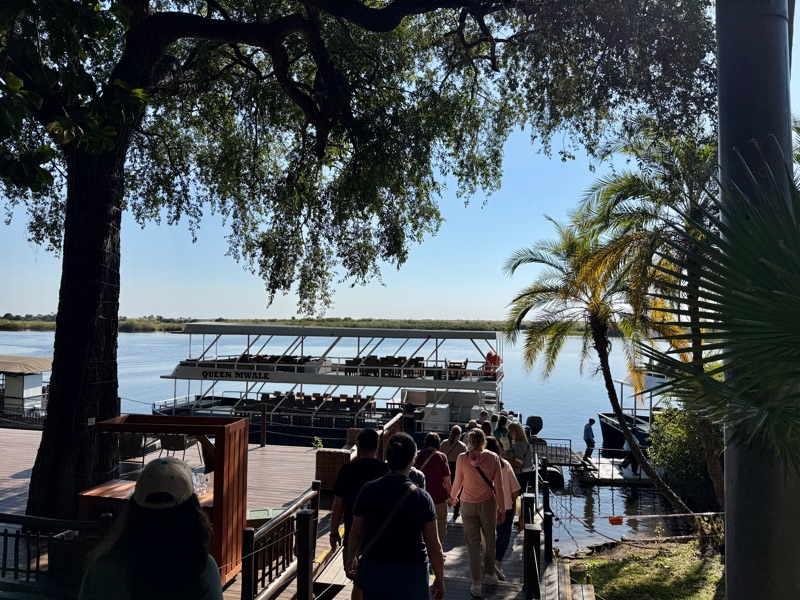
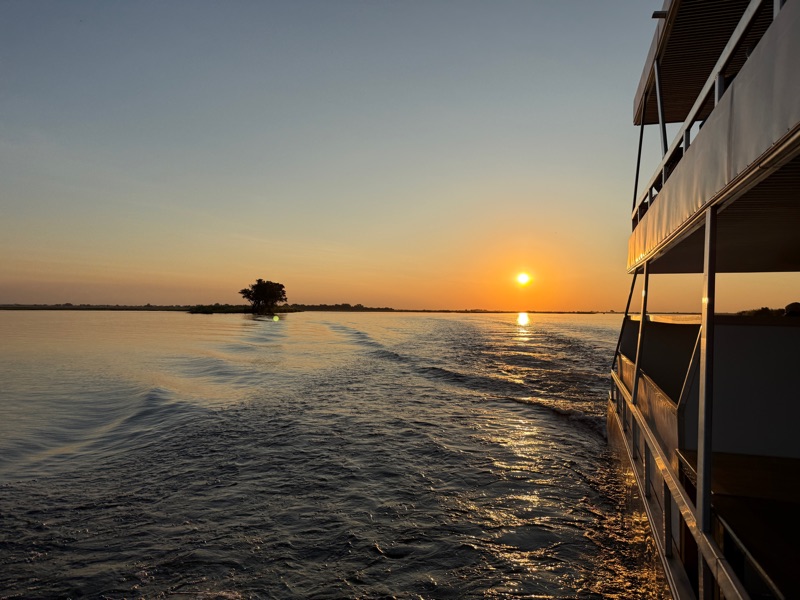
By the time we arrived at Cresta Mowana, unloaded our luggage, and boarded the river cruise, I think many of us were tired but still awake to the moment. As we moved along the Chobe River, we gasped, pointed and took so many pictures and videos. Again and again, people said some version of, “I can’t believe I’m here.” That phrase has been the theme of this program.
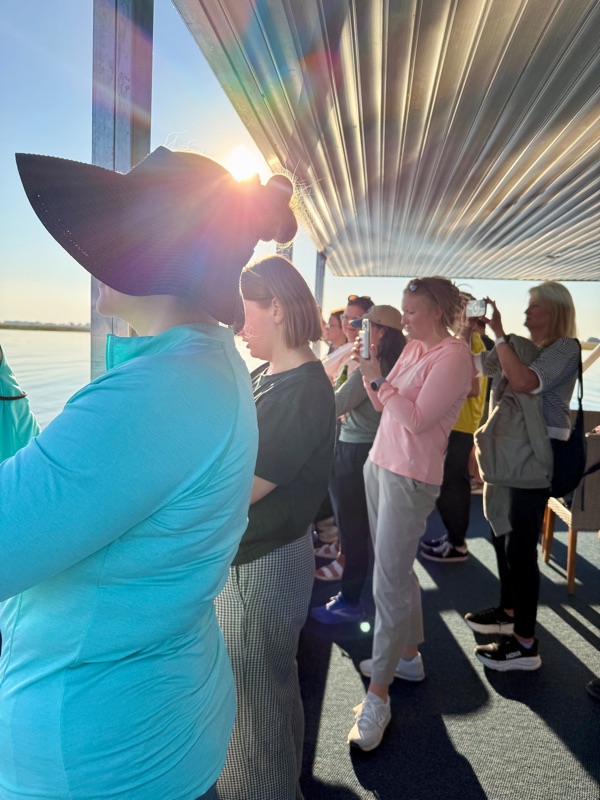
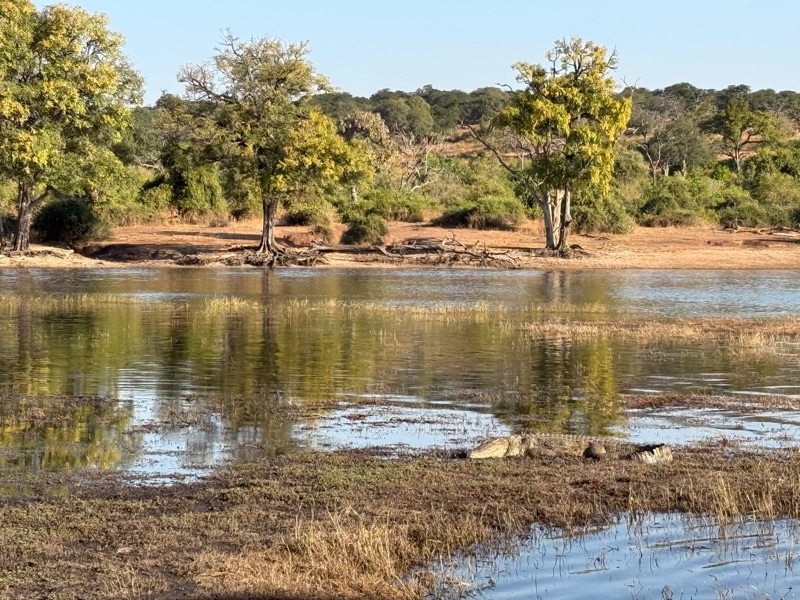
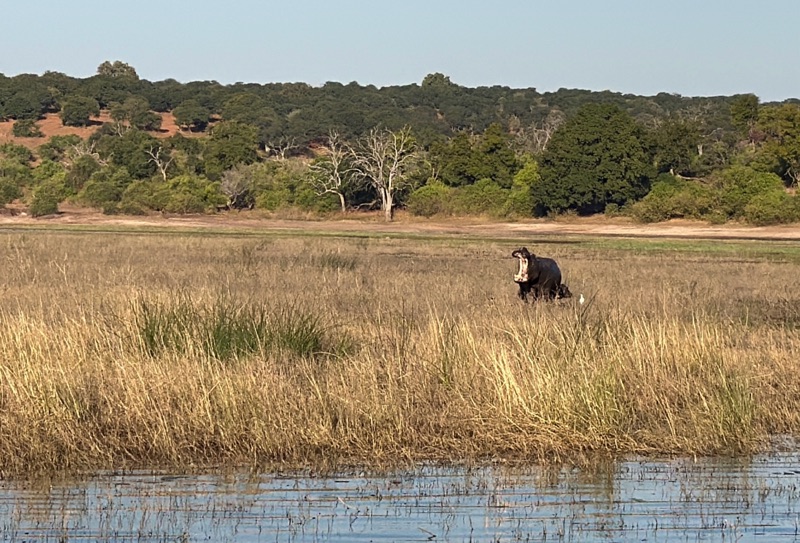
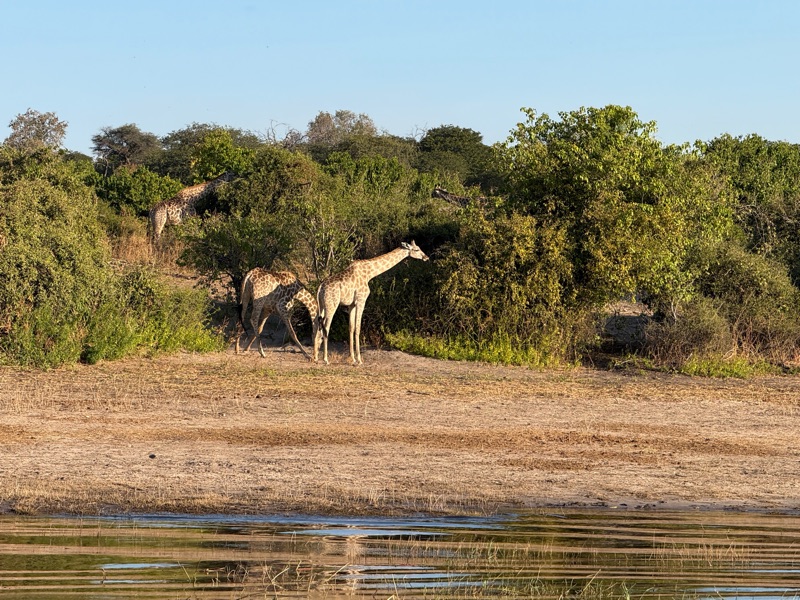
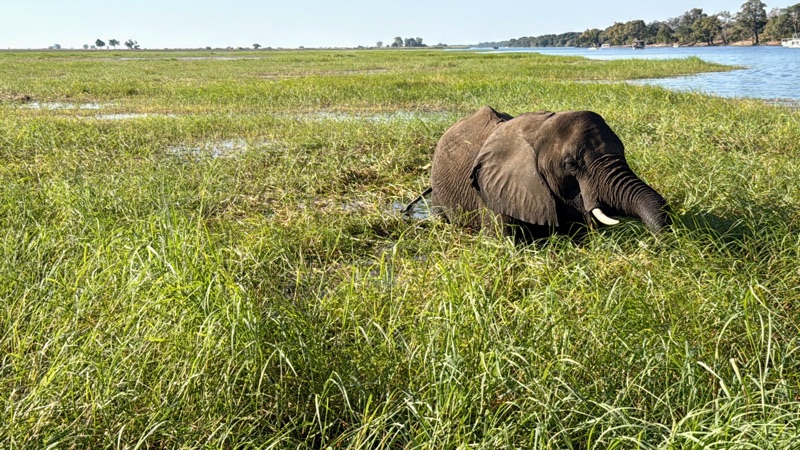
We saw elephants feeding in the grass, crocodiles resting near the water, giraffes near the riverbank, vervet monkeys, pied kingfishers, kudu, and more birds than I could identify. We even saw a hippo widen his mouth as if posing for us. But the experience was not simply about seeing animals. It was about seeing them in relationship to the river, the grass, the trees, and one another. It was a lesson in interdependence, and one that we were all eager to learn from.
As meaningful as the river cruise was, one of the strongest takeaways for me came later that evening at dinner. After we ate, a group of performers shared music and dancing with us. There were drums, whistles, singing, movement, and rhythm. Almost immediately, members of our group were invited to join in. What could have been a performance quickly became a shared experience.
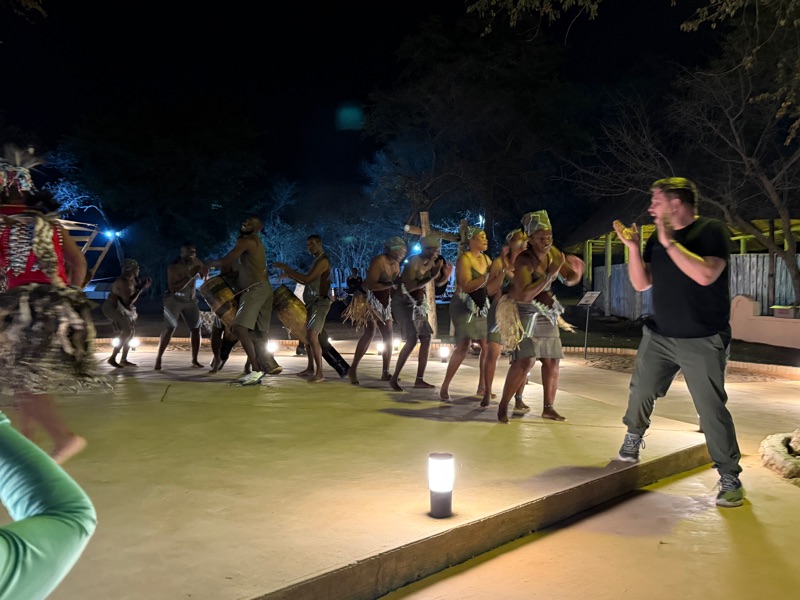
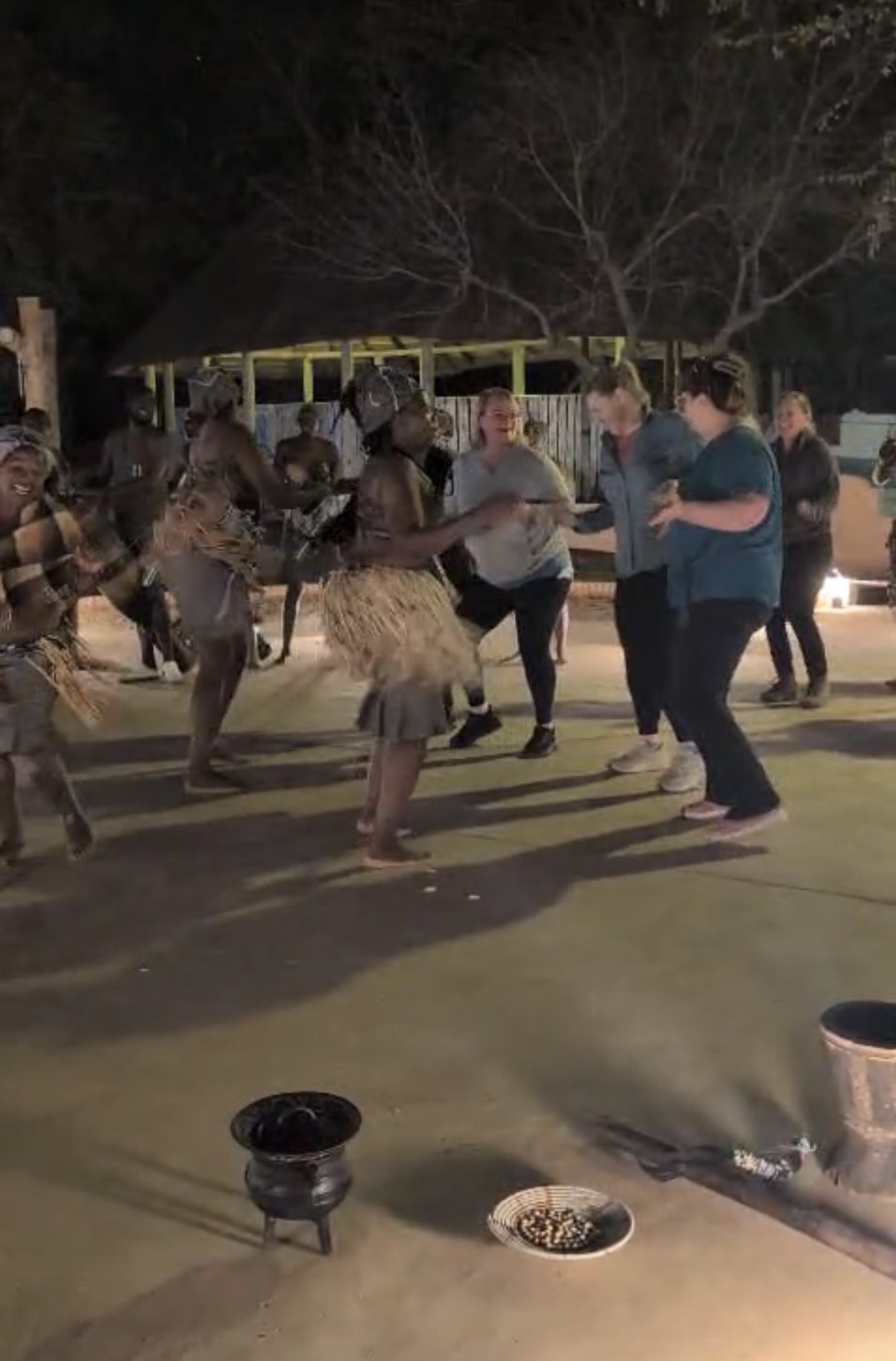
That moment has stayed with me because it connected to something I have felt throughout this trip: the strong sense of community in the countries we have visited. We have seen it in schools, in public spaces, in meals, in music, and in the way people welcome us into their stories. At dinner, dancing became a way to feel that sense of community immediately. It did not require the same language, background, or experience. The rhythm made space for everyone.
That message is especially meaningful to me as a teacher. I spend a lot of time thinking about how to help students connect with one another and with the world beyond our classroom. This trip is reminding me that learning is not only about information. It is also about participation. It is about being willing to enter into an experience, even when you don’t know every step and you might look silly. Dancing that night reminded me that community can be built quickly when people are invited in with joy instead of hesitation.
As an art teacher, I also think about how humans communicate through more than words. Visual art, music, dance, clothing, food, architecture, and ceremony all carry meaning. They help people say, “This is who we are,” and they invite others to listen. That night, dance became a language we could all understand, even if we could not fully understand every song, step, or tradition behind it.
I am especially grateful to Impact Alamance and the Alamance Chamber of Commerce for making my participation in this experience possible. Their support allowed me to be part of this journey and to gather ideas, questions, and inspiration that I will carry back to my students. This experience is helping me grow as a person and as a teacher who wants students to see beyond the walls of our classroom and understand their place in a much larger world.
June 28 was a day of crossing borders, but it was also a day of widening perspective. We crossed into Botswana, onto the Chobe River, and into a deeper understanding of how place, community, and shared experience shape the way we learn. For me, it was a reminder that the world is full of lessons waiting outside the frame, and sometimes the most powerful thing a teacher can do is keep learning.


No comments:
Post a Comment